Hemp products have become more common because they can be used for many things, last a long time, and may be good for your health. From skincare to clothing, construction materials to food items, hemp can be found in a wide range of consumer goods. But have you ever wondered about the journey these products take from the soil to your shelf? In this article, we’ll explore the fascinating process of how hemp products are cultivated, processed, and distributed, ultimately ending up in your home.
Cultivation And Harvesting
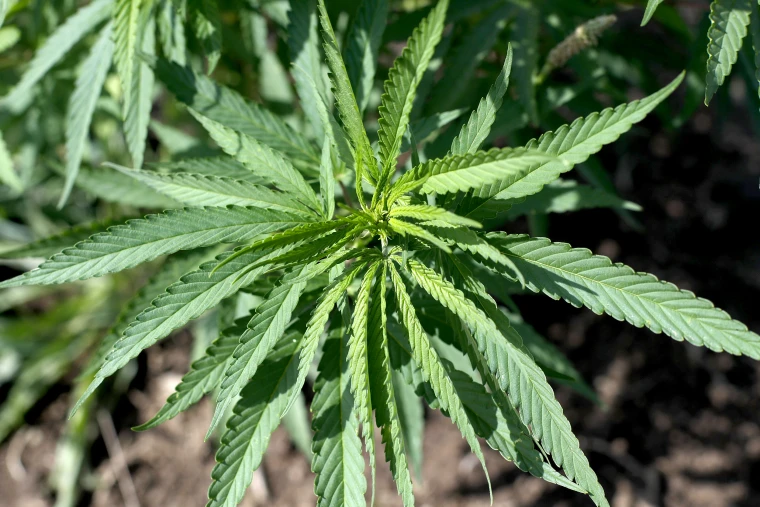
The journey of hemp products begins in the fields, where the hemp plant is cultivated. Hemp is tough and can grow well in a lot of different types of soil and weather. It doesn’t need as much care as some other cash crops. Additionally, hemp requires minimal water and can grow densely, making it an attractive option for farmers looking to maximize yield while minimizing environmental impact.
The cultivation process typically starts with the preparation of the soil, followed by the planting of hemp seeds or seedlings. Once planted, hemp requires regular monitoring and care to ensure optimal growth and development. This includes watering, weed control, and pest management strategies to protect the crop from potential threats.
After several months of growth, the hemp plants reach maturity and are ready for harvest. Harvesting methods can vary depending on the intended use of the plant. For fiber and grain production, hemp plants are typically harvested using specialized equipment that cuts and collects the stalks. For CBD extraction, on the other hand, hemp leaves are carefully picked by hand to keep the cannabinoids and terpenes intact.
As consumers seek sustainable and wellness-focused options, the popularity of hemp products online has surged, with offerings ranging from CBD oils to hemp-infused skincare and even sour patch edibles.
Processing And Extraction
Once harvested, hemp plants undergo a series of processing steps to extract the desired compounds and prepare them for use in various products. For fiber production, hemp stalks are typically dried and processed using mechanical methods to separate the fibers from the woody core. These fibers can then be used to make textiles, paper, and construction materials.
For CBD extraction, hemp flowers are carefully dried and processed to extract the beneficial cannabinoids, such as cannabidiol (CBD). There are several extraction methods available, including solvent extraction, CO2 extraction, and ethanol extraction, each with its advantages and drawbacks. After being removed, CBD oil is often refined and cleaned up even more to get rid of any impurities and make a high-quality product.
While some prefer the convenience of purchasing D9 vapes from local retailers, others opt for the ease and discretion of ordering hemp products online, including CBD oils, edibles like sour patch gummies, and a variety of vaping accessories.
Manufacturing And Production
Once the raw hemp materials have been extracted, they are taken to factories where they are turned into finished goods. This can include CBD oils and tinctures, foods and drinks made from hemp, cosmetics and skin care items, clothes and accessories, and even building materials.
Manufacturing processes can be different for each type of product, but in general, the raw hemp materials are mixed with other ingredients and seasonings to make the final product. This can include natural sweeteners and flavors for food, skincare items with essential oils and plant extracts, and clothing dyes and finishes.
Breaking News Alert:plateaustategov.org
Quality Control And Testing
During the whole process of making hemp products, strict quality control measures are used to make sure they meet the highest standards for safety, purity, and efficiency. This includes checking the raw materials for things like heavy metals, pesticides, and microbial pathogens, and keeping an eye on the production process to make sure it’s consistent and regular.
Along with quality control measures that are used within the company, many hemp goods are also tested by outside laboratories to make sure they are pure and effective. CBD products are tested for their cannabinoid content, terpene profiles, and residual solvent levels. The products are also microbiologically tested to make sure they don’t have any dangerous bacteria or molds.
Packaging And Distribution
After being made and tested, hemp goods are put in boxes and ready to be sent to stores and customers. Packaging is very important for keeping the quality and freshness of hemp goods. It also gives you important information like how much to take, a list of ingredients, and safety warnings.
Products made from hemp can be bought in many places, such as traditional stores, online shops, and specialty dispensaries. Direct-to-consumer sales have become more popular over the past few years. Many hemp companies sell their goods directly to customers through their websites and online marketplaces.
From the fields where hemp is cultivated to the shelves where sour patch edibles and D9 vapes are displayed, the journey of hemp products to your home underscores the growing demand for sustainable and wellness-oriented choices in today’s market.
Conclusion
From the fields where it is grown to the shelves where it is sold, the journey of hemp products is a complex and fascinating process that involves numerous steps and stages. People can better appreciate the skill and care that goes into making these eco-friendly and useful goods if they know how hemp products get from the ground to the store shelves. Whether you’re using hemp for health and wellness, fashion and beauty, or eco-friendly living, knowing the journey of your hemp products can help you make informed choices that support a healthier planet and a more sustainable future.