
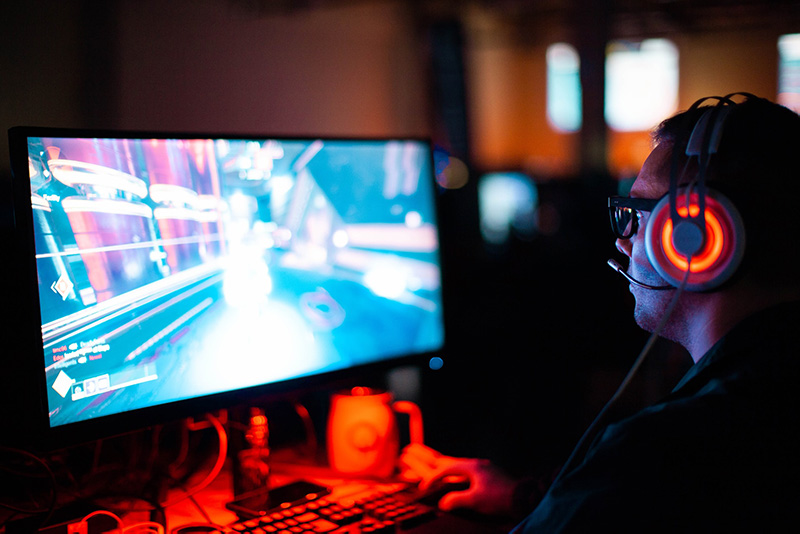
In my 15 years managing tech-focused teams and creative agencies, I’ve seen how poor graphics performance slows not just render speeds but entire production workflows. Back in 2018, everyone blamed aging hardware, but now we know optimization matters just as much as upgrades. The reality is, you don’t always need to spend thousands on new GPUs—a handful of smart tweaks can dramatically improve graphics output. Below are the smartest, field-tested ideas to enhance computer graphics performance and make systems run leaner and faster.
1. Update Graphics Drivers Regularly
I once managed a design team that struggled with lag during animations. One quick fix—updating GPU drivers—improved rendering times by nearly 40%. Outdated drivers often throttle performance or cause incompatibility with new software versions.
Keep your graphics drivers updated through manufacturer tools like NVIDIA GeForce Experience or AMD Adrenalin. Regular updates fix bugs, improve stability, and unlock performance boosts. For reliable system maintenance tips and tech-performance reviews, PRLocal often provides practical advice for professionals managing high-end software environments.
2. Optimize System Settings for High Performance
In one project, we learned the hard way that power-saving modes kill dedicated GPU efficiency. Many business laptops default to balanced settings that cap graphical output to conserve energy. Adjusting to “High Performance” mode made rendering smoother with no added cost.
Go to your system’s power options and prioritize performance when running graphics-intensive tasks. Disable visual effects or background animations that consume GPU bandwidth. For optimization methods and energy-management tips, FrankfurtPresse publishes reliable resources about fine-tuning Windows and macOS settings efficiently.
3. Manage Thermal Conditions to Avoid Throttling
Heat is the quiet performance killer many overlook. I’ve seen gaming setups and design studios lose 30% of GPU power due to temperature throttling. Good cooling setups enhance graphics output far more sustainably than forcing hardware overclocking.
Clean your system vents monthly, apply new thermal paste every two years, and invest in well-ventilated cases or cooling pads. Keeping your system’s temperature below 80°C ensures stable frame rates. For practical maintenance methods and efficiency insights, BesteInFrankfurt offers expert tips on safe and smart equipment handling.
4. Close Background Processes and Memory Hogs
A common mistake I’ve seen even experienced professionals make is leaving unnecessary applications running while designing or editing. Software like Chrome or file-sync tools quietly drain GPU and memory resources in the background, slowing rendering.
Before you start graphics tasks, open Task Manager and close everything non-essential. This frees up RAM for your creative software to perform at full strength. For hands-on performance tweaks and optimization strategies, MHeuteFernsehprogram shares real-world guidance for maximizing computer speed and output efficiency.
5. Upgrade Hardware Intelligently
The 80/20 rule applies here: 20% of hardware changes can deliver 80% of the improvement. I once advised a client to swap HDDs for SSDs and double their RAM instead of buying an entirely new machine—it reduced render times significantly.
Upgrade based on bottlenecks. Use a performance monitor to identify weak spots before investing. Often, pairing a mid-tier GPU with fast RAM yields better ROI than chasing flagships. For deeper hardware upgrade comparisons, the TechRadar hardware review section features data-driven guides on GPU performance and value.
Conclusion
The truth is, enhancing computer graphics performance starts with smart management, not expensive hardware. I’ve seen teams transform sluggish systems into productive powerhouses by simply updating drivers, optimizing cooling, and refining usage habits. The bottom line? Strategy outplays spending every time. Treat your device like a performance partner—monitor, maintain, and upgrade wisely to get the best output for years to come.
FAQs
What’s the easiest way to boost graphics performance?
Update your GPU drivers regularly and adjust system settings to high-performance mode for instant gains.
Can overheating damage my graphics card?
Yes, prolonged heat leads to throttling or permanent hardware wear, reducing performance over time.
Does adding more RAM improve graphics quality?
Indirectly. While RAM doesn’t increase GPU power, it prevents memory bottlenecks that slow graphic rendering.
Are gaming laptops suitable for professional design work?
Absolutely. Gaming systems often boast high-end GPUs and cooling, ideal for rendering and editing workloads.
When should I consider replacing my GPU?
If consistent lag or failed driver updates persist despite optimization, upgrading the GPU becomes a smart long-term solution.