
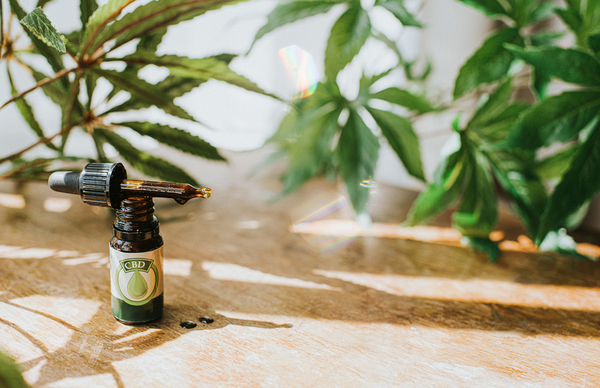
The wellness industry has seen a major transformation in recent years, and CBD has become one of its most talked about elements. From oils and edibles to skincare and beverages, CBD products are now part of everyday routines for many people seeking balance and relief. As consumer awareness increases, so does curiosity about how CBD fits into modern lifestyles and what trends are shaping its future.
The Rise Of CBD In Everyday Wellness
CBD, or cannabidiol, has gained popularity for its potential to support relaxation, stress management, and overall well being. Unlike other cannabis compounds, it does not produce a high, making it more accessible to a wider audience. Today, CBD is no longer limited to niche markets. It is widely available in health stores, online platforms, and even beauty brands.
Many consumers approach CBD the same way they check updates like dear lottery result or browse daily information online. It has become part of a routine where people actively seek solutions for mental and physical balance.
Expanding Product Categories
One of the most noticeable trends in the CBD industry is the rapid expansion of product categories. Initially, CBD oils dominated the market, but now there are gummies, capsules, topical creams, and even infused drinks. This diversity allows users to choose formats that fit their lifestyles and preferences.
Brands are also focusing on personalization. Consumers want products tailored to their needs, whether for sleep, focus, or recovery. Similar to how users visit platforms like aepds bihar gov in for specific services, CBD buyers are now seeking targeted solutions rather than generic offerings.
Growing Interest In Natural Alternatives
The shift toward natural and plant based solutions has played a major role in CBD’s growth. Many people are moving away from synthetic products and exploring alternatives that feel safer and more holistic. CBD fits well into this mindset, as it is derived from hemp and often marketed as a natural wellness option.
This trend aligns with a broader lifestyle shift. Just as people stay updated with cricket samachar to remain informed and engaged, they are also staying informed about health choices. Education and awareness are driving more thoughtful decisions in the wellness space.
Integration Into Daily Routines
CBD is no longer seen as a specialized supplement. It is becoming a regular part of daily habits. Some people use it in the morning for calm focus, while others rely on it in the evening for relaxation. This integration into daily life shows how wellness is evolving from occasional care to consistent self management.
Even the way CBD is marketed reflects this shift. Brands are using creative approaches, sometimes incorporating humor and relatability. Content styles that include light elements like bowling puns help make wellness feel approachable rather than clinical or intimidating.
The Role Of Digital Platforms
Digital platforms have played a significant role in shaping CBD trends. Social media, blogs, and online communities provide spaces where users share experiences and recommendations. This peer driven information has made CBD more accessible and less confusing for new users.
Websites like Writeshayari may focus on creative expression, but they also highlight how digital culture influences consumer behavior. In a similar way, CBD brands are leveraging storytelling and content to connect with audiences on a deeper level.
Regulation And Consumer Awareness
As the CBD market grows, so does the importance of regulation and transparency. Consumers are becoming more cautious about product quality, sourcing, and labeling. They want clear information about what they are buying and how it is made.
This has led to an increase in third party testing and certifications. Trust is becoming a key factor in purchasing decisions. Brands that prioritize transparency are more likely to build long term relationships with their customers.
The Future Of CBD In Wellness
Looking ahead, CBD is expected to continue evolving alongside the wellness industry. Innovation will likely focus on better formulations, enhanced delivery methods, and more personalized experiences. As research expands, consumers will gain a clearer understanding of its benefits and limitations.
The growing acceptance of CBD reflects a broader cultural shift toward proactive health management. People are no longer waiting for problems to arise. They are actively seeking ways to maintain balance and improve their quality of life.
Conclusion
CBD trends highlight how the wellness industry is changing in response to modern needs. With expanding product options, increased awareness, and a focus on natural solutions, CBD has secured its place in everyday routines. As consumers continue to explore new ways to support their well being, CBD will remain an important part of the conversation, shaping the future of health and lifestyle choices.