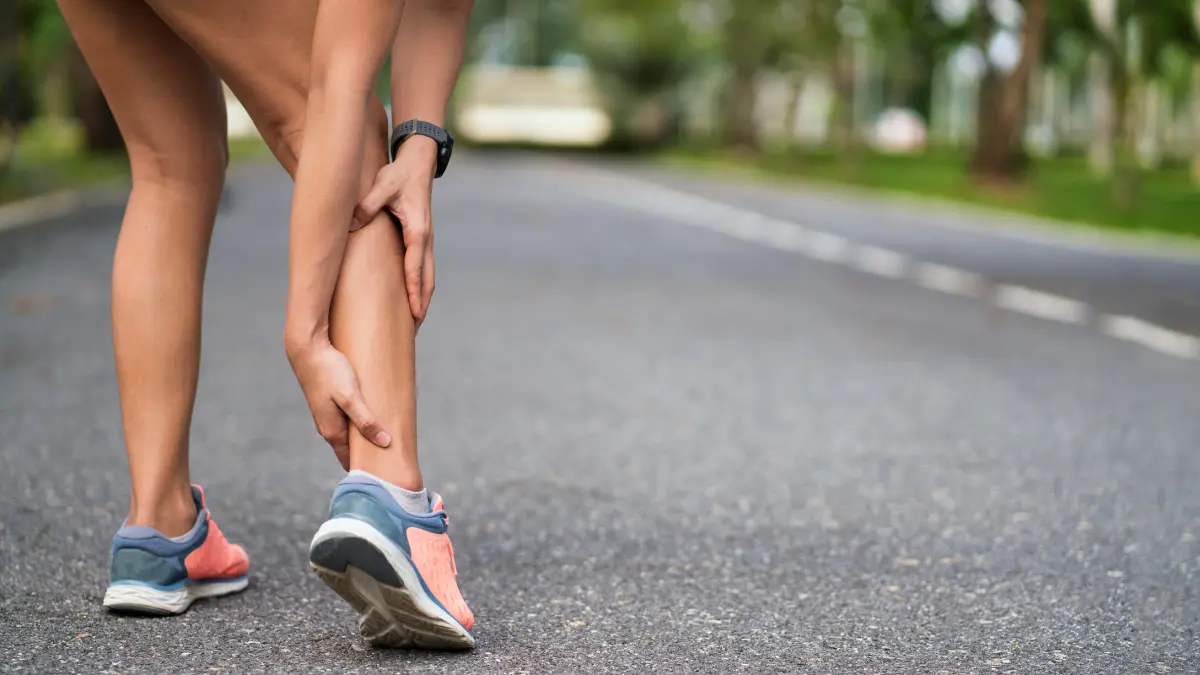
Muscle soreness commonly follows unfamiliar exercise, a demanding workout, physical work, or a sudden increase in activity. It may feel uncomfortable, but ordinary post-exercise soreness usually improves as the muscles recover.
CBD creams, oils, gummies, and drinks are often marketed as recovery aids. Promotional messages may suggest that they quickly reduce inflammation, remove soreness, or help muscles rebuild. Those claims are generally stronger than the available evidence.
Researchers are still studying CBD’s possible effects on pain, inflammation, sleep, and recovery. Current findings do not establish CBD as a dependable treatment for normal exercise-related muscle soreness.
Anyone reviewing CBD recovery and soreness information should separate personal experiences from proven benefits.
Understand Normal Exercise Soreness
Delayed-onset muscle soreness often begins several hours after unfamiliar or demanding exercise. It may be most noticeable one or two days later.
The affected muscles can feel tender, stiff, or weaker than usual. The discomfort should gradually improve rather than intensify continuously.
Soreness is not required for a workout to be effective. People can gain strength and endurance without feeling significantly uncomfortable after every session.
Severe pain, major swelling, dark urine, extreme weakness, or symptoms that continue worsening may indicate something more serious than ordinary soreness. Those warning signs require medical assessment.
Why CBD Is Marketed for Recovery
CBD has attracted interest because laboratory and animal research has explored its effects on pain-related and inflammatory processes. However, findings from laboratory research cannot automatically be applied to real-world workout recovery.
Human studies differ in dose, product type, timing, exercise method, and outcome measurement. Some investigate oral CBD, while others use topical products.
A product may also include menthol, cooling agents, warming ingredients, magnesium, or essential oils. These additions can create an immediate sensation that feels soothing even when CBD’s contribution is unclear.
Marketing often moves faster than research. A scientific possibility can quickly become a confident advertising claim without enough clinical evidence behind it.
What Current Evidence Can and Cannot Show
Research on cannabis-based medicines suggests that certain products may provide small pain improvements for some chronic conditions. These findings are not the same as proof that CBD reduces routine post-workout soreness.
Reviews continue to report limited or inconsistent evidence for CBD alone. The long-term safety of frequent use for exercise recovery is also not fully established.
A person who feels better after using CBD may have experienced a genuine improvement. However, sleep, hydration, reduced training, massage, expectations, and natural recovery may also have contributed.
CBD should therefore be described as an optional, uncertain recovery product rather than a proven muscle treatment.
Topical CBD for One Sore Area
A topical may appeal to someone with soreness concentrated in the thighs, calves, shoulders, or lower back.
Apply it only to healthy skin and follow the label directions. Do not place it over cuts, rashes, burns, or irritated skin. Wash the hands afterward unless the hands are the treated area.
Start with a small patch to check for irritation. Fragrances, essential oils, menthol, preservatives, and other ingredients may cause skin reactions.
Research has not established how deeply CBD from standard cosmetic topicals reaches muscle tissue. The soothing experience may partly come from massage or other ingredients.
Do not apply a heating pad tightly over the product unless the manufacturer clearly states that this is safe. Heat may increase irritation or change absorption.
Oral CBD Requires More Caution
Oils, capsules, gummies, and drinks expose more of the body to CBD than a localized topical.
Oral CBD may cause sleepiness, digestive symptoms, appetite changes, or other unwanted effects. It can also interact with medications and affect liver-related processes.
A product marketed as natural is not automatically compatible with prescription drugs. People taking medication should ask a doctor or pharmacist about interactions before use.
Alcohol and sedating medicines may increase drowsiness. Avoid driving or operating equipment until the individual response is understood.
Do Not Use CBD to Hide an Injury
Pain provides information about what the body can currently tolerate. Reducing the sensation without addressing the cause may encourage someone to continue an activity that is causing damage.
A sharp pain during exercise, sudden loss of strength, bruising, joint instability, or swelling should be evaluated. CBD should not be applied simply so the person can finish the workout.
Muscle strains often need a temporary reduction in load followed by gradual rehabilitation. Tendon injuries may require different exercise strategies. Joint pain may not be muscular at all.
Responsible active recovery practices treat pain relief and physical recovery as related but separate goals.
Use Proven Recovery Basics First
Recovery begins with an appropriate training plan. Sudden increases in weight, distance, repetitions, or exercise frequency are common reasons soreness becomes excessive.
Increase one factor at a time. Alternate demanding and easier sessions. Train different muscle groups when appropriate.
Sleep is one of the most valuable recovery tools. A tired body may feel more painful, less coordinated, and less prepared for another workout.
Balanced meals should provide enough protein, carbohydrates, fats, vitamins, and minerals. Carbohydrates help restore energy used during exercise, while protein supplies material for muscle repair.
Hydration needs vary, but drinking regularly across the day is generally more effective than consuming a large amount immediately after exercise.
Try Gentle Active Recovery
Complete inactivity can make ordinary soreness feel stiffer. Easy movement may increase comfort without adding substantial stress.
Examples include walking, gentle cycling, relaxed swimming, or light mobility exercises. Keep the intensity low enough that the body feels better rather than more fatigued afterward.
Foam rolling or massage may feel useful, but excessive pressure can irritate already sensitive tissue. More pain during a recovery technique does not guarantee better results.
A warm shower may relax tight muscles. Cold may feel more comfortable after activity that produces swelling or heat, although preferences vary.
Practical muscle recovery guidance should place these basic habits ahead of expensive products.
Evaluate a CBD Product Carefully
Choose products with a recent independent laboratory report that matches the batch number. The report should state CBD and THC levels and show testing for relevant contaminants.
Read the complete ingredient list. A topical advertised as a CBD cream may contain strong menthol, fragrances, or ingredients that have their own effects and risks.
Avoid products that guarantee immediate recovery, claim to heal torn muscles, or promise to remove all inflammation.
Check the amount of CBD per serving rather than relying on large numbers printed on the front of the package. Some labels display the total amount in the entire container, which can be misleading.
Track Whether It Makes a Meaningful Difference
A recovery diary can reduce guesswork. Record the exercise, soreness level, product, amount, timing, sleep, and other recovery methods.
Compare similar workouts rather than comparing a light session with a difficult one. Look for changes that matter, such as easier walking, better sleep, or improved ability to complete normal tasks.
Stop when side effects appear. Also stop when repeated use produces no clear benefit. Continuing an expensive product without measurable improvement does not support recovery.
Do not treat the need for increasing amounts as proof that the product is beginning to work.
When Muscle Soreness Needs Medical Attention
Seek urgent help for severe swelling, extreme weakness, dark or cola-colored urine, breathing difficulty, chest pain, confusion, or rapidly increasing pain after exercise.
Medical assessment is also important when pain follows a sudden pop, causes major bruising, prevents weight bearing, or limits movement for more than several days.
Persistent soreness may be related to excessive training, poor technique, medication effects, infection, nutritional issues, or another medical condition.
Useful exercise soreness safety tips should help people identify when ordinary recovery strategies are no longer enough.
CBD may feel helpful to some adults with everyday muscle soreness, but current research does not prove that it speeds muscle repair or consistently reduces post-workout discomfort. Begin with sensible training, nutrition, sleep, and light movement. Consider CBD cautiously, check medication risks, and never use it to cover an injury that needs proper care.